
When couples struggle to conceive naturally, modern fertility treatments offer hope. One such advanced technique is ICSI treatment in Lahore, which has helped thousands of couples achieve pregnancy even in complex infertility cases.
What Is ICSI Treatment?
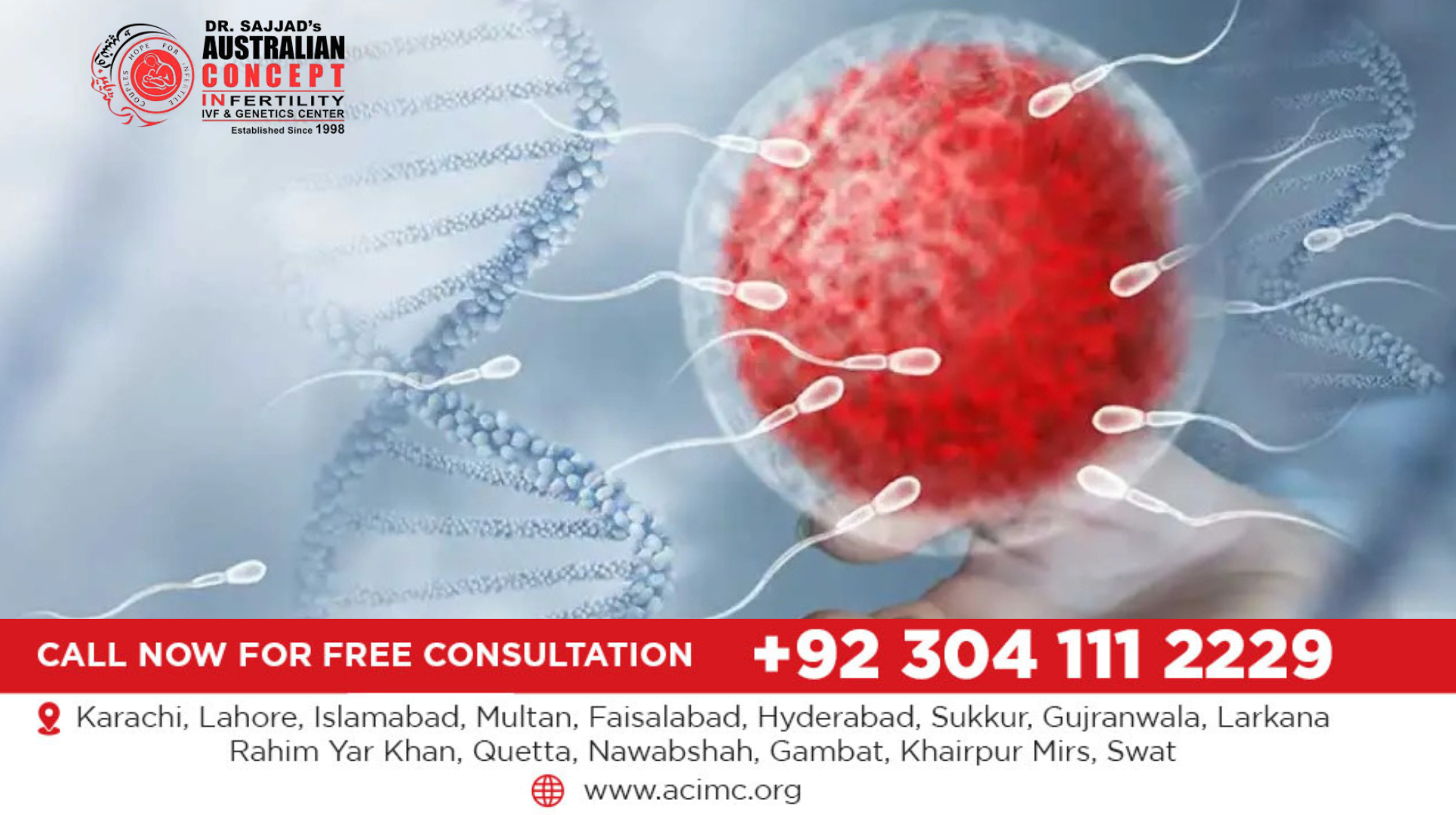
ICSI stands for Intracytoplasmic Sperm Injection. It is a specialized form of in vitro fertilization (IVF). In this procedure, a single healthy sperm is directly injected into an egg to achieve fertilization.
Unlike conventional IVF, where sperm and eggs are placed together in a dish and fertilization happens naturally, ICSI removes many of the barriers that prevent sperm from reaching or penetrating the egg.
This technique is especially useful in cases of male infertility.
How Does ICSI Work?
ICSI treatment involves several carefully planned steps:
1. Ovarian Stimulation
The female partner receives medications to stimulate the ovaries to produce multiple mature eggs.
2. Egg Retrieval
Once the eggs are ready, they are collected through a minor medical procedure.
3. Sperm Collection
Sperm are obtained through ejaculation or, in some cases, surgical sperm retrieval techniques.
4. Sperm Injection
A fertility specialist selects a single healthy sperm and injects it directly into the egg using a fine needle under a microscope.
5. Embryo Development
Fertilized eggs are monitored in the laboratory for development.
6. Embryo Transfer
One or more healthy embryos are transferred into the uterus to achieve pregnancy.
Who Needs ICSI Treatment?
ICSI is not required for every couple undergoing fertility treatment. It is recommended in specific situations, particularly when male infertility is a concern.
1. Low Sperm Count
Men with very low sperm numbers may not have enough sperm to fertilize an egg naturally. ICSI helps by using even a single sperm.
2. Poor Sperm Motility
If sperm have difficulty moving properly, they may not reach the egg on their own. ICSI bypasses this problem.
3. Abnormal Sperm Morphology
When sperm shape is abnormal, penetration of the egg becomes difficult. ICSI allows fertilization despite shape issues.
4. Azoospermia
In cases where no sperm are present in the semen, sperm can sometimes be retrieved directly from the testes and used for ICSI.
5. Previous IVF Failure
Couples who experienced failed fertilization in earlier IVF cycles may benefit from ICSI in subsequent attempts.
6. Use of Frozen Sperm or Eggs
Frozen samples may have reduced fertilization potential. ICSI improves success in these cases.
7. Unexplained Infertility
Sometimes, no clear cause of infertility is found. ICSI may be recommended to improve fertilization chances.
Benefits of ICSI Treatment
ICSI offers several advantages, especially in challenging fertility cases:
-
Higher fertilization rates in male infertility
-
Ability to use surgically retrieved sperm
-
Reduced reliance on sperm movement or count
-
Improved chances after failed IVF cycles
Only one sperm is needed per egg, making this technique extremely effective when sperm availability is limited.
Is ICSI Safe?
ICSI has been used worldwide for many years and is considered a safe and established procedure. Like all fertility treatment in Lahore, it requires careful medical evaluation and expert laboratory handling.
Doctors may recommend genetic testing in some cases, especially when male infertility has a genetic cause, to ensure the best outcomes.
Success Rates of ICSI
Success rates depend on multiple factors, including:
-
Age of the female partner
-
Egg quality
-
Sperm health
-
Overall reproductive health
-
Experience of the fertility lab
While ICSI improves fertilization rates, pregnancy success still depends on embryo quality and uterine health.
Emotional Considerations
Fertility treatment can be emotionally demanding. Couples undergoing ICSI may experience stress, anxiety, or hope mixed with uncertainty. Emotional support, counseling, and clear communication with healthcare providers play an important role during treatment.
Final Thoughts
ICSI treatment is a powerful fertility solution for couples facing male infertility or repeated IVF failure. By directly injecting a single sperm into an egg, it overcomes many natural barriers to fertilization.