
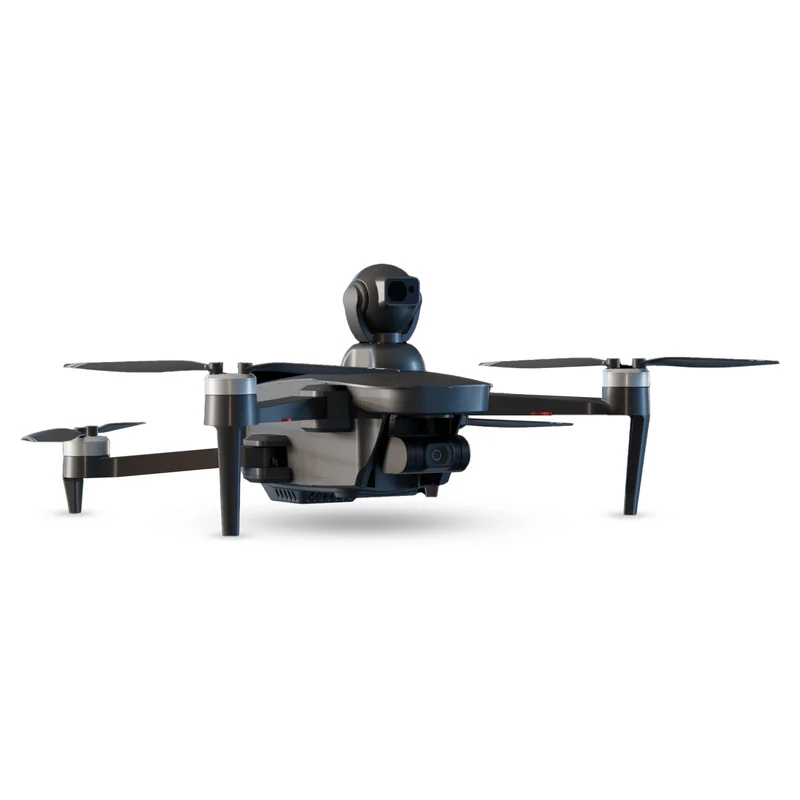
India is moving rapidly into a future where drones are no longer optional tools but core infrastructure assets. From military operations to farming highways power grids and emergency response, first person view drones are becoming essential across sectors. As this expansion accelerates one challenge is becoming impossible to ignore.
India will require close to one lakh trained FPV drone pilots by 2030 to meet national security demands, industrial scale adoption and global competitiveness.
This figure is not speculative. It reflects operational reality. Without a large skilled pilot base India cannot fully use its growing drone fleet or sustain long term growth in this sector.
This article explains why the demand is rising so sharply, which industries will absorb these pilots, what skill sets are required and how India can realistically build this workforce within the decade.
Why India Needs Such a Large FPV Drone Pilot Base
India is developing one of the fastest expanding drone ecosystems in the world. Domestic manufacturers are producing surveillance drones, FPV platforms and specialised industry models. Government programs are encouraging drone use in agriculture land mapping and governance. At the same time defence forces are deploying drone units down to the battalion and company level.
Each of these developments creates demand not only for drones but for trained people who can operate, maintain plans and support missions. This demand is driven by four major forces.
Defence modernisation
The armed forces are integrating FPV drones loitering munitions and tactical surveillance systems at scale. Each deployed unit requires multiple pilots, technicians and trainers to sustain operations.
Civilian industry adoption
Sectors like agriculture construction, mining energy and logistics are rapidly adopting drones for daily operations. These activities require certified and skilled operators across districts.
Domestic drone manufacturing growth
Indian manufacturers need pilots for testing, validation demonstration and customer training. Every production line creates indirect demand for flight professionals.
Expansion of drone service providers
Thousands of startups and service companies are entering mapping inspection delivery and emergency response. These firms rely on trained pilots to function.
Combined together these drivers create a workforce requirement that cannot be met without a national level training effort.
Sector Wise Demand for One Lakh FPV Drone Pilots
A realistic distribution of pilot demand across industries highlights where these jobs will emerge.
Defence and Paramilitary Forces around 30%
This is the fastest growing segment. FPV drones are now used for reconnaissance precision engagement and unit level support. Defence forces require pilots for roles such as:
- frontline surveillance
- FPV strike operations
- artillery observation
- convoy monitoring
- base perimeter security
- internal training at unit level
Every combat formation that fields drones needs multiple operators along with backup staff. Defence alone accounts for nearly one third of the total pilot requirement.
Agriculture sector around 20%
India has vast agricultural land where drones are increasingly used for productivity and efficiency. FPV and visual line of sight drones support:
- pesticide and nutrient spraying
- crop health monitoring
- soil condition analysis
- seasonal farm operations
- local drone service centres
As farm mechanisation increases demand will rise for trained pilots in almost every district especially in rural regions.
Infrastructure and utilities around 15%
Power transmission, renewable energy telecom and transport infrastructure all rely on routine inspection. Drone pilots are required for:
- electric line inspection
- solar and wind farm monitoring
- bridge and tunnel surveys
- telecom tower assessments
- pipeline inspection
These roles need precision flying steady control and data accuracy rather than speed alone.
Disaster response and public safety around 10%
State and district authorities increasingly deploy drones during emergencies. Pilots are needed for:
- flood assessment
- search and rescue operations
- landslide tracking
- fire monitoring
- crowd control and policing support
These missions demand pilots who can operate in harsh weather and unstable environments.
Delivery and logistics around 10%
Medical logistics and cargo drone corridors are emerging across India. Even as systems become automated pilots are still required for:
- route validation
- safety oversight
- emergency intervention
- hub level operations
This sector will grow steadily as regulations mature.
Surveying mapping and mining around 10%
This sector already employs thousands of drone operators and will continue expanding. Pilots support:
- topographic mapping
- mining volume measurement
- land record digitisation
- construction tracking
Accuracy and compliance are critical in these roles.
Training research and manufacturing around 5%
This includes instructors test pilots and quality teams working in:
- training academies
- manufacturing units
- research laboratories
- certification bodies
This segment ensures long term skill quality and ecosystem stability.
Different Pilot Roles India Must Develop
A one size approach to training will not work. Different industries need different skill profiles. India must develop structured pilot categories.
Basic remote pilot
Handles civilian drones for mapping inspection and monitoring. Understands airspace rules, safety procedures and standard operations.
Advanced industry pilot
Operates heavier drones for agriculture power inspection and construction. Skilled in payload handling and mission planning.
FPV tactical pilot
Manually flies high speed FPV drones. Trained in low altitude navigation precision control and signal challenges. Essential for defence and high risk operations.
Mission and payload specialist
Manages cameras, sprayers , sensors or specialised equipment. Works alongside pilots to achieve mission objectives.
Maintenance and test pilot
Combines repair skills with controlled flight testing. Ensures drones are safe and operational.
Instructor and examiner
Trains new pilots certifies skills and maintains national standards.
Clear role definitions ensure pilots are trained for real operational needs rather than generic certification.
How India Can Train One Lakh FPV Drone Pilots by 2030
India already has a base of training organisations and private academies. To scale nationally several steps are essential.
Expand training infrastructure
- Establish district level centres
- Partner with engineering colleges and ITIs
- Deploy mobile training units for rural regions
Introduce tiered training programs
- Level one basic civilian certification
- Level two industry specific training
- Level three advanced FPV and tactical training
- Level four instructor and examiner certification
Build a civilian to defence talent pathway
- Enable skilled civilian pilots to enter defence roles
- Share simulators and training ranges
- Organise national FPV competitions to identify talent
Strengthen simulator based training
High quality simulators reduce cost, improve safety and accelerate learning. They help pilots develop muscle memory before live flight.
Encourage training on indigenous platforms
Pilots trained on Indian drones support domestic manufacturing and reduce dependency on imports while providing feedback to developers. Indigenous defence drones are transforming modern warfare by offering cost-effective, high-precision surveillance and strike capabilities.
Create long term career pathways
Pilots should be able to grow into roles such as mission supervisor operations manager test pilot or senior instructor. Career visibility improves retention.
Why Building This Workforce Matters
A trained FPV pilot base delivers benefits across the country.
Economic impact
- Large scale job creation
- Growth of drone manufacturing and services
- New opportunities in rural and urban areas
Strategic advantage
- Improved defence readiness
- Faster deployment of new technologies
- Reduced reliance on external expertise
Public service improvement
- Faster disaster response
- Better agricultural efficiency
- Improved infrastructure safety
This workforce becomes a national asset supporting both security and development.
India stands at the edge of a drone driven transformation. With focused investment in training certification and career development the country can build a skilled FPV pilot ecosystem that supports defence industry and public service needs.
The demand is real, the timeline is clear and the opportunity is historic. By acting now India can position itself as a global leader in drone operations by 2030.