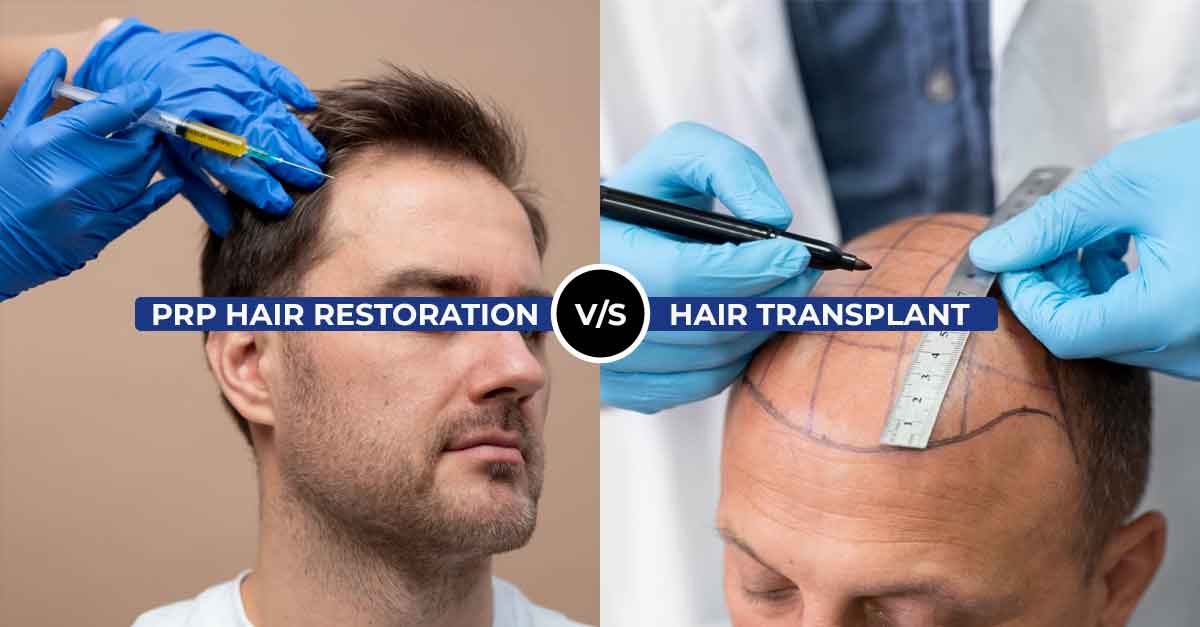
Hair loss creates confusion before it creates baldness. One doctor recommends PRP. Another suggests hair transplant surgery. Clinics promise results, timelines sound attractive, and patients feel stuck between hope and doubt.
So let’s settle the question properly: Hair transplant vs PRP—what actually works, for whom, and why?
This article explains both treatments using medical evidence, clinical logic, and realistic expectations, not marketing shortcuts. If you are visiting a hair transplant clinic or researching options like hair transplant Lahore, this guide will help you make an informed decision.
Understanding Hair Loss Before Choosing Treatment
Hair loss does not have one cause. Genetics, hormones, age, stress, and health all play roles. Treatment works best when it matches the type and stage of hair loss.
Doctors generally divide hair loss into:
-
Early thinning
-
Progressive pattern baldness
-
Advanced bald areas
PRP and hair transplant surgery treat different stages, not the same problem.
Trusted sources:
American Academy of Dermatology (AAD)
International Society of Hair Restoration Surgery (ISHRS)
What Is PRP Therapy?
PRP (Platelet-Rich Plasma) therapy uses the patient’s own blood. Doctors separate platelets and inject the concentrated plasma into the scalp.
Platelets release growth factors that:
-
Improve blood supply
-
Support existing follicles
-
Strengthen thinning hair
PRP does not create new hair follicles. It only improves the performance of follicles that still exist.
Source: Journal of Cutaneous and Aesthetic Surgery
What Is Hair Transplant Surgery?
Hair transplant surgery moves hair follicles from a donor area—usually the back of the scalp—to bald or thinning regions.
Key facts:
-
It creates hair where none exists
-
Transplanted follicles resist hair loss hormones
-
Results last long-term when done correctly
Unlike PRP, a hair transplant physically restores hair in bald areas.
Source: ISHRS Clinical Overview
Hair Transplant vs PRP: Core Differences Explained
| Factor | PRP Therapy | Hair Transplant Surgery |
|---|---|---|
| Creates new hair | ❌ No | ✅ Yes |
| Treats bald areas | ❌ No | ✅ Yes |
| Surgical procedure | ❌ No | ✅ Yes |
| Downtime | Minimal | Short recovery |
| Result permanence | Temporary support | Long-term |
| Best for | Early thinning | Advanced loss |
This comparison highlights one truth: PRP supports hair; hair transplant restores hair.
When PRP Makes Sense
PRP works best for patients who:
-
Have early-stage hair thinning
-
Still have visible hair follicles
-
Want to slow hair loss progression
PRP may help improve hair thickness and reduce shedding, especially when combined with medical therapy.
Doctors often recommend PRP before surgery, not instead of it.
Source: AAD Hair Loss Treatment Guidelines
When PRP Does Not Work
PRP fails to deliver visible improvement when:
-
The scalp shows complete baldness
-
Follicles no longer exist
-
Hair loss is advanced
Injecting growth factors into empty skin does nothing. Biology does not negotiate.
Clinics that promise regrowth in bald areas using PRP alone mislead patients.
When Hair Transplant Surgery Is the Better Option
Hair transplant surgery becomes the logical choice when:
-
Bald patches appear
-
Hairline recedes significantly
-
Crown shows a visible scalp
Surgery physically relocates follicles, which PRP cannot do.
Patients seeking hair transplant Lahore services often turn to surgery after PRP stops delivering visible improvement.
Can PRP and Hair Transplant Work Together?
Yes—and doctors often recommend it.
PRP may:
-
Improve scalp healing
-
Strengthen existing hair
-
Support transplanted follicle growth
However, PRP does not replace surgery. It complements it.
Source: ISHRS Treatment Combination Studies
Results Comparison: What Patients Actually See
PRP Results
-
Mild to moderate thickening
-
Reduced hair shedding
-
Temporary improvement
Results depend heavily on consistency. Once sessions stop, benefits often fade.
Hair Transplant Results
-
Visible hair restoration
-
Permanent donor hair growth
-
Natural hairline when planned well
Hair transplant results follow a predictable growth cycle and improve over 12 months.
Cost Logic: Short-Term vs Long-Term Thinking
PRP sessions cost less initially but require repetition. Over several years, total cost may exceed surgery.
Hair transplant surgery costs more upfront but often delivers one-time, long-term correction.
Smart patients compare value over time, not just price tags.
Safety Comparison
Both treatments remain safe when performed by trained professionals.
PRP risks:
-
Temporary swelling
-
Mild pain
-
Rare infection
Hair transplant surgery risks:
-
Temporary swelling
-
Shock loss
-
Minor discomfort
Serious complications remain rare when clinics follow medical protocols.
Source: Dot Clinics Hair Restoration Safety Data
Choosing the Right Hair Transplant Clinic
Whether choosing PRP or surgery, clinic quality matters.
A trustworthy clinic will:
-
Explain limitations honestly
-
Avoid exaggerated promises
-
Recommend PRP or surgery based on need, not profit
Clinics that push PRP for bald scalps or surgery for early thinning ignore medical logic.
Common Myths That Confuse Patients
❌ PRP can regrow hair on bald scalp
❌ Hair transplant damages existing hair permanently
❌ PRP replaces surgery
None of these claims have scientific support.
Final Verdict: Which Treatment Solves Hair Loss Better?
There is no universal winner—only the right treatment for the right stage.
-
PRP helps preserve and strengthen existing hair
-
Hair transplant surgery restores hair where it is gone
Choosing between them requires honesty, proper diagnosis, and realistic goals—not marketing pressure.
Hair loss feels emotional, but treatment works best when decisions stay logical.
Trusted Medical References
-
American Academy of Dermatology (aad.org)
-
International Society of Hair Restoration Surgery (ishrs.org)
-
Dot Clinics
-
Journal of Cutaneous and Aesthetic Surgery