
If you own or manage property in North London, chances are you’ve heard the term EICR certificate more times than you can count. Yet in day-to-day conversations with landlords and homeowners across the boroughs, one thing comes up again and again: confusion between electrical safety and gas safety, and how both fit into real-life compliance.
This guide looks at EICR in Certificate North London through a practical, local lens, while also explaining how gas safety fits into the bigger picture of keeping properties safe, legal, and liveable. It’s written from the perspective of someone who has seen inspections carried out in Victorian terraces, post-war estates, and modern flats from Camden to Enfield, including work undertaken by London Property Inspections.
Understanding Safety Certificates in Real Homes, Not Just on Paper
Why EICR and Gas Safety Are Often Mixed Up
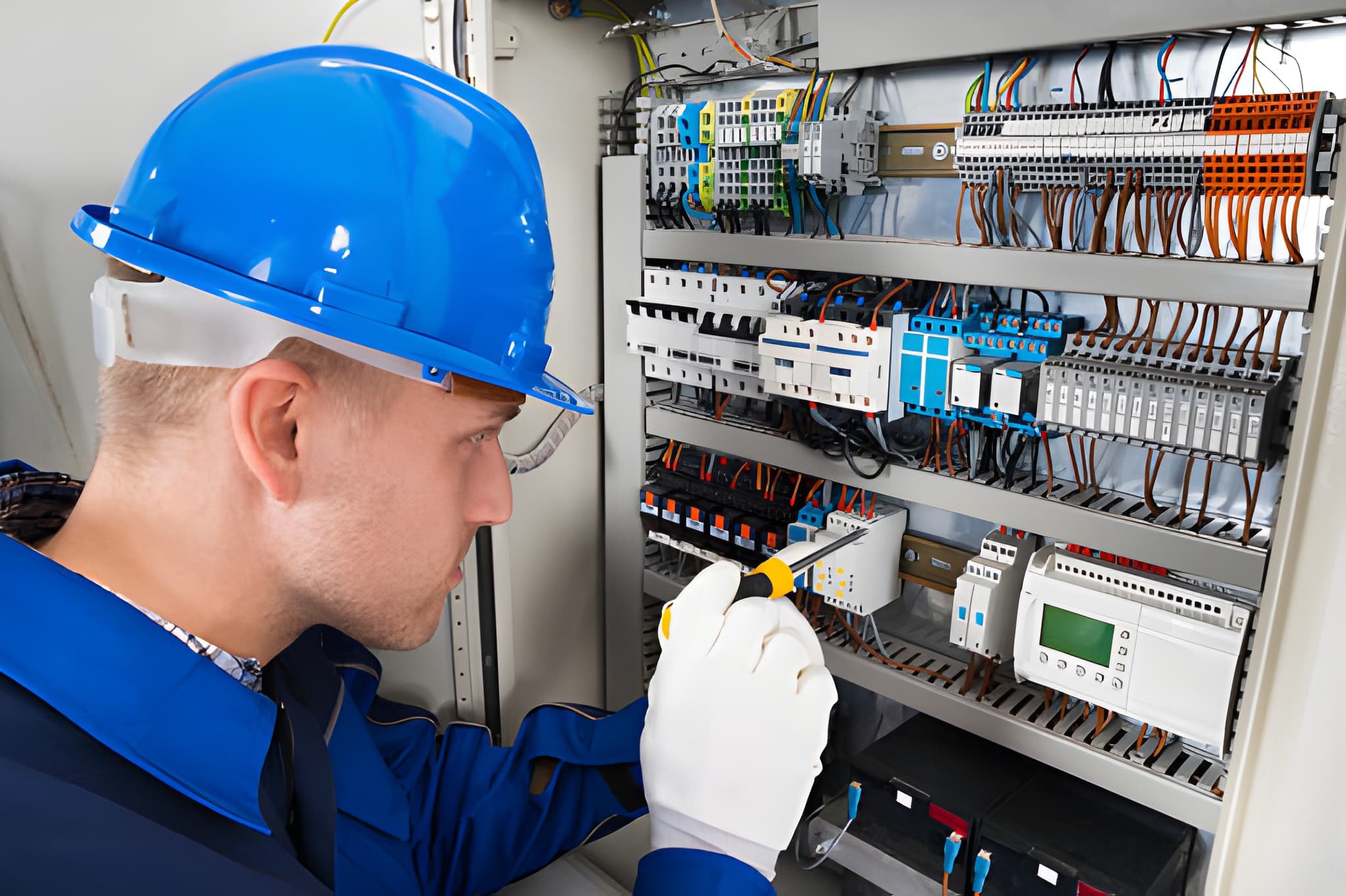
On paper, EICR certificates deal with electrical systems, while gas safety certificates cover boilers, cookers, and pipework. In real homes, however, these systems interact. A faulty extractor fan in a kitchen, for example, can affect gas appliance ventilation. Likewise, poor electrical bonding around gas pipes is a common issue flagged during EICR inspections in older North London properties.
Landlords often only realise this overlap when an inspection highlights multiple risks at once. That’s why approaching safety holistically, rather than as separate tick-box exercises, is essential.
North London’s Housing Stock Makes Safety More Complex
North London has one of the widest mixes of property ages in the UK. You’ll find:
- Edwardian and Victorian houses converted into flats
- 1960s and 70s council blocks with ageing infrastructure
- Newer high-density developments with modern but complex systems
In older homes, original gas pipe routes and outdated electrical installations often sit side by side. During inspections, it’s common to find bonding that doesn’t meet current standards, or gas appliances installed years ago without proper upgrades to the surrounding electrics.
Why Gas Safety Matters So Much in North London
Rental Density Raises the Stakes
North London has a high proportion of rented accommodation, including HMOs. A single unsafe gas appliance doesn’t just affect one household; it can put multiple tenants at risk. Carbon monoxide incidents, while thankfully rare, are taken extremely seriously by local councils, particularly where vulnerable tenants are involved.
Council Enforcement Is More Active Than Many Realise
Local authorities across North London routinely request evidence of both EICR reports and gas safety certificates during licensing checks or following tenant complaints. Missing paperwork or unresolved issues can quickly escalate into enforcement notices or fines.
Professionals from London Property Inspections often see cases where landlords believed an old certificate was “good enough,” only to discover that regulations and expectations had moved on.
What a Real Inspection Looks Like on the Ground
Common Gas-Related Issues Found Alongside EICRs
During combined safety checks, inspectors frequently encounter:
- Inadequate electrical bonding to gas pipework
- Boilers installed in cupboards without sufficient ventilation
- Kitchens where electrical sockets are positioned too close to gas appliances
- Signs of DIY alterations that compromise safety
These aren’t abstract risks. They’re practical issues that can and do arise in everyday properties across North London.
How Inspectors Assess Risk, Not Just Compliance
A good inspection doesn’t just note whether something passes or fails. It looks at how people actually live in the property. Is the boiler accessible for servicing? Are tenants likely to overload sockets near gas appliances? Has the property been altered over time without proper oversight?
This real-world approach is what separates meaningful safety checks from paperwork exercises.
Landlord Responsibilities in Plain English
What You’re Legally Expected to Do
For gas safety, landlords must ensure all gas appliances and flues are checked annually by a Gas Safe registered engineer. For electrics, an EICR must be carried out at least every five years, or sooner if recommended.
But beyond minimum intervals, landlords are expected to act on identified risks promptly. Ignoring advisory notes today can become a serious hazard tomorrow.
Practical Tips That Actually Help
- Schedule gas and electrical checks together to spot crossover issues early
- Keep clear records, including evidence of remedial work
- Don’t delay repairs, even if issues are marked as “recommended” rather than “urgent”
- Brief tenants on how to report smells, faults, or unusual appliance behaviour
These steps aren’t about over-compliance; they’re about preventing problems before they affect people.
Why Local Experience Makes a Difference
North London properties don’t behave like generic examples in guidance documents. Narrow stairwells, converted lofts, and shared meters all create inspection challenges that require local knowledge. Teams such as London Property Inspections understand these quirks because they encounter them daily, not because they’ve read about them in manuals.
FAQs
Do I need both an EICR and a gas safety certificate?
Yes. They cover different systems, and both are required for rented properties.
How often should gas appliances be checked?
Gas safety checks must be carried out every 12 months.
Can one issue affect both certificates?
Absolutely. Poor bonding or ventilation can compromise both electrical and gas safety simultaneously.
What happens if my property fails an inspection?
You’ll receive a report outlining what needs fixing and the level of urgency. Work should be completed within the recommended timeframe.
Are homeowners required to have these certificates?
Homeowners aren’t legally required, but regular checks are strongly advised for safety and peace of mind.
Do councils in North London really check certificates?
Yes. Especially for licensed properties and following tenant complaints.