
Smartphones have become powerful computing devices, but with increased performance comes increased heat generation. Overheating is one of the most common and damaging issues affecting modern phones. Excessive heat can slow performance, drain battery life, damage internal components, and even pose safety risks. This is why diagnostics tools that detect phone thermal problems are no longer optional—they are essential for manufacturers, repair technicians, refurbishers, and even advanced users.
In this article, we will explore how phone thermal problems occur, why accurate detection matters, and how advanced phone diagnostic software solutions like Phone Clinix help identify and resolve overheating issues effectively.
Understanding Phone Thermal Problems
Thermal problems in smartphones occur when internal components generate more heat than the device can dissipate. Modern phones pack CPUs, GPUs, batteries, radios, and sensors into extremely compact spaces. When these components work together under heavy load, heat builds up rapidly.
Common causes of thermal issues include processor-intensive apps, poor battery health, faulty charging circuits, damaged thermal pads, blocked ventilation paths, outdated software, and manufacturing defects. Environmental factors such as high ambient temperatures also contribute to overheating.
If left undetected, thermal problems can permanently reduce device lifespan. Batteries degrade faster at high temperatures, displays may discolor, and internal chips can suffer long-term damage. This makes early detection critical.
Why Detecting Thermal Issues Early Is Important
Detecting thermal problems at an early stage prevents expensive repairs and protects user safety. Overheating phones may shut down unexpectedly, throttle performance, or swell batteries. In extreme cases, they can cause burns or fires.
For repair businesses and refurbishers, thermal diagnostics ensure device quality before resale. For consumers, they help maintain performance and extend device life. For manufacturers, thermal testing is vital for quality control and warranty validation.
This is where professional diagnostic tools come into play, offering precise temperature monitoring and fault detection beyond what basic system settings can provide.
How Diagnostics Tools Monitor Phone Temperature
Modern diagnostics tools use a combination of hardware sensors and software analysis to monitor phone temperature. Smartphones are equipped with multiple thermal sensors located near the CPU, battery, charging IC, and other critical components.
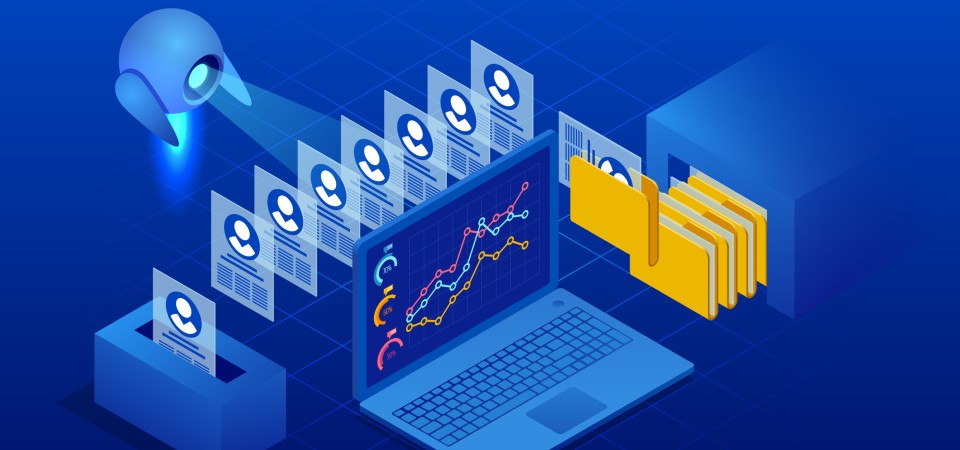
Advanced phone diagnostic software reads real-time data from these sensors and analyzes temperature patterns under different conditions such as idle state, heavy usage, charging, and stress testing. The software can identify abnormal heat spikes, uneven temperature distribution, and throttling behavior.
Some tools also simulate workloads to push the device to its limits, revealing hidden thermal issues that may not appear during normal use.
Key Features of Thermal Diagnostic Tools
Effective thermal diagnostic tools share several core features that make them reliable and accurate.
They provide real-time temperature monitoring across multiple components, allowing technicians to pinpoint the exact source of heat. They include stress testing modules that simulate gaming, multitasking, or charging scenarios. They generate detailed reports that document temperature ranges, peak heat levels, and cooling efficiency.
Advanced tools also integrate battery health analysis, charging diagnostics, and CPU performance metrics. This holistic approach ensures that thermal issues are not misdiagnosed as simple software glitches or battery problems.
Role of Phone Diagnostic Software in Thermal Detection
Professional phone diagnostic software plays a central role in detecting and resolving thermal problems. Unlike basic apps that only show surface temperature, professional software accesses deep system-level data.
It can detect issues such as inefficient power management, rogue background processes, firmware bugs, or failing hardware components. This level of insight allows technicians to make informed decisions, whether the solution involves software optimization, component replacement, or advising the user on proper usage habits.
For businesses handling large volumes of devices, diagnostic software also improves efficiency by standardizing testing procedures and reducing guesswork.
Phone Clinix as a Thermal Diagnostic Solution
Phone Clinix is a comprehensive diagnostic platform designed to identify a wide range of smartphone issues, including thermal problems. It is widely used by repair centers, refurbishers, and quality assurance teams.
One of the strengths of Phone Clinix is its ability to perform automated thermal tests. The software monitors temperature changes during various operations such as CPU stress tests, battery charging cycles, and standby modes. It then compares the results against safe operating thresholds.
By highlighting abnormal temperature behavior, Phone Clinix helps technicians quickly locate overheating components and determine the root cause. This reduces repair time and increases diagnostic accuracy.
Detecting Battery-Related Thermal Issues
Batteries are one of the most common sources of phone overheating. Aging batteries, poor-quality replacements, or damaged charging circuits can generate excessive heat.
Diagnostic tools analyze battery temperature, charging speed, voltage stability, and discharge rates. When combined with thermal data, technicians can identify whether overheating is due to battery degradation or external factors like fast charging misuse.
With Phone Clinix, battery diagnostics are integrated into the thermal testing process, providing a clear picture of battery health and heat behavior.
Identifying CPU and GPU Overheating
Processors are another major contributor to thermal issues, especially during gaming, video editing, or multitasking. When CPUs or GPUs overheat, phones throttle performance to prevent damage.
Thermal diagnostic tools measure processor temperatures under load and track throttling patterns. They can reveal issues such as inadequate cooling, thermal paste degradation, or software inefficiencies.
Using advanced phone diagnostic software, technicians can determine whether overheating is caused by hardware faults or software-related problems, leading to more accurate repairs.
Charging and Thermal Stress Testing
Charging is a critical scenario for thermal diagnostics. Faulty chargers, damaged ports, or power management IC failures can cause dangerous heat buildup.
Professional diagnostic tools include charging stress tests that monitor temperature during slow charging, fast charging, and wireless charging. These tests help identify abnormal heat generation and charging instability.
Phone Clinix excels in this area by combining charging diagnostics with real-time thermal monitoring, ensuring safe and reliable device performance.
Benefits for Repair Shops and Refurbishers
For repair shops, thermal diagnostic tools reduce misdiagnosis and improve customer trust. Accurate detection means fewer repeat repairs and better long-term outcomes.
Refurbishers benefit by ensuring devices meet safety and performance standards before resale. Thermal testing helps prevent returns and negative reviews by catching hidden issues early.
Using professional phone diagnostic software also streamlines workflow, allowing technicians to test multiple devices efficiently and generate standardized reports.
Benefits for Consumers and Businesses
Consumers benefit from improved device reliability, better battery life, and enhanced safety. Knowing that a phone has passed thermal diagnostics provides peace of mind.
Businesses that manage fleets of devices, such as enterprises and service providers, use thermal diagnostics to reduce downtime and maintenance costs. Tools like Phone Clinix help maintain consistent device performance across large deployments.
Future of Thermal Diagnostics in Smartphones
As smartphones become more powerful, thermal management will remain a major challenge. Future diagnostic tools are expected to incorporate AI-driven analysis, predictive maintenance, and cloud-based reporting.
Advanced phone diagnostic software will not only detect current issues but also predict potential thermal failures before they occur. Platforms like Phone Clinix are already paving the way by combining automation, accuracy, and scalability.
Conclusion
Thermal problems are a serious threat to smartphone performance, safety, and longevity. Detecting these issues early is essential for users, repair professionals, and businesses alike. Diagnostics tools that monitor temperature, analyze performance, and identify root causes provide a reliable solution.
With the help of advanced phone diagnostic software and comprehensive platforms like Phone Clinix, detecting and resolving phone thermal problems has become faster, more accurate, and more effective. As smartphone technology continues to evolve, thermal diagnostics will remain a critical part of device maintenance and quality assurance.