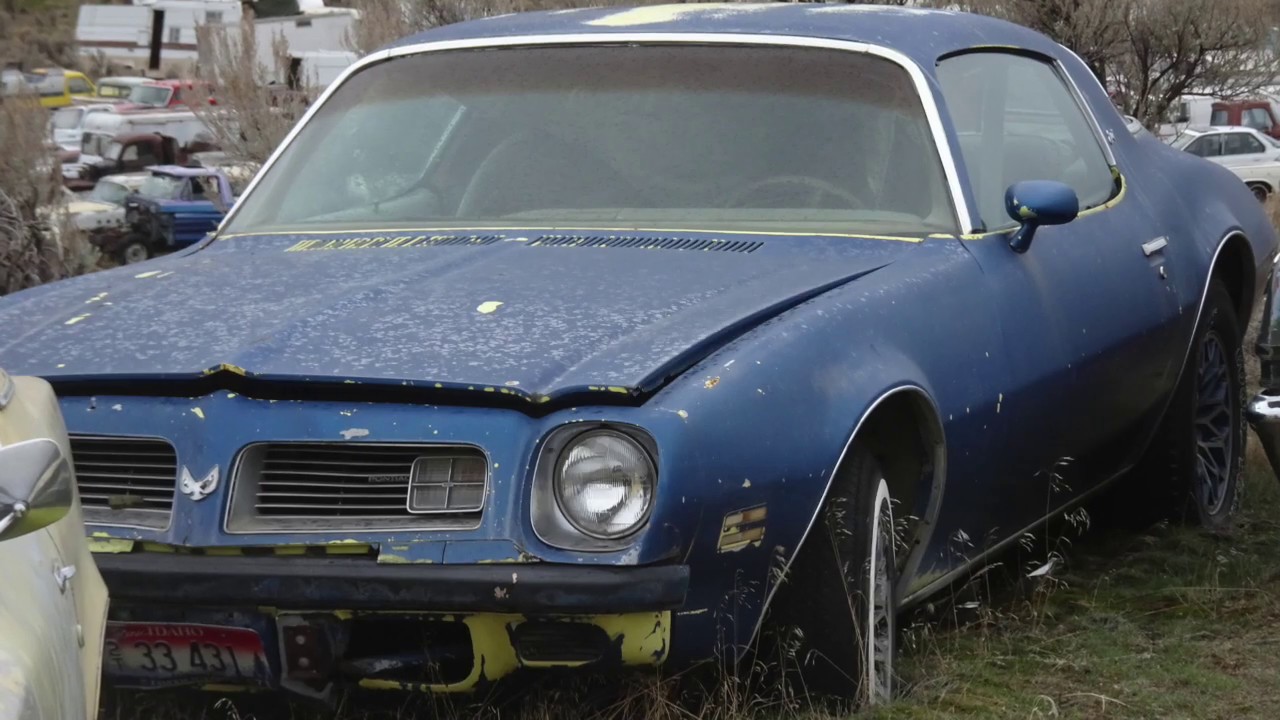

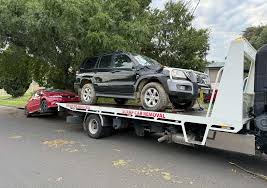
Suburban areas across Adelaide continue to grow, with more homes, cars, and shared spaces than ever before. While modern suburbs aim to stay clean and organised, one common issue still affects many households. Unused vehicles often sit in driveways, yards, or on quiet streets for long periods. These vehicles slowly turn into waste problems when left unmanaged.
Reducing suburban waste is not only about household rubbish bins. It also involves dealing with large items that no longer serve a purpose. Old vehicles fall into this category and play a larger role in local waste issues than many people realise.
Understanding Suburban Waste Beyond Household Rubbish
When people think about waste, they usually picture food scraps, packaging, or broken furniture. Vehicles rarely come to mind. Yet a single unused car contains metal, plastic, rubber, fluids, and glass. When left unattended, these materials can deteriorate and create ongoing waste concerns.
According to Australian environmental reports, metal waste remains one of the largest waste streams by volume. Vehicles contribute heavily to this figure when they are not recycled through proper channels.
How Unused Vehicles Add to Suburban Clutter
An unused vehicle takes up space that could serve a better purpose. Driveways become blocked, garages lose storage capacity, and street parking becomes limited. Over time, this clutter affects daily routines.
Neighbours may struggle with reduced parking. Pedestrians may face blocked footpaths. Waste collection vehicles and emergency access can also face obstacles in narrow suburban streets.
Removing unused cars helps restore balance in shared spaces and allows suburbs to function more smoothly.
Environmental Impact of Leaving Old Cars Untouched
Vehicles contain fluids such as engine oil, brake fluid, and coolant. When seals degrade, these fluids can leak into soil and nearby drains. Australian studies show that oil leaks from vehicles are a major source of soil contamination in residential areas.
Tyres and plastic parts also break down over time, releasing micro particles into the environment. These particles may enter stormwater systems and affect local waterways.
Addressing unused vehicles early helps limit long term environmental damage within suburban areas.
Waste Reduction Through Vehicle Material Recovery
A large portion of a vehicle can be reused once it enters a recycling process. Steel and aluminium are commonly recovered and sent back into manufacturing. Copper wiring and electronic parts also hold reuse potential.
The Australian automotive recycling sector recovers thousands of tonnes of metal each year. This recovery helps reduce the need for new raw material extraction, which places pressure on natural resources.
When unused cars remain parked indefinitely, these materials stay locked away and contribute to waste buildup rather than being reused.
Health and Safety Concerns Linked to Suburban Vehicle Waste
Unused vehicles may attract pests such as rodents and insects. These pests can spread to nearby homes and gardens. Sharp metal edges, broken glass, and unstable panels also pose risks, especially to children.
In warmer months, debris around old vehicles can increase fire risk. Dry leaves, paper waste, and fuel residue create conditions that raise concern during hot Adelaide summers.
Removing vehicles before they reach this stage helps protect households and neighbours alike.
Supporting Council Waste Management Goals
Local councils invest significant effort into keeping suburbs clean. Illegally dumped vehicles and long term abandoned cars increase council workload and costs. These resources could be used for parks, roads, and community services instead.
When residents take responsibility for unused vehicles, councils face fewer enforcement actions and clean up tasks. This cooperation supports stronger local waste management outcomes.
A Practical Step for Adelaide Households
For households facing vehicle waste issues, arranging removal often becomes the most realistic option. Once a car no longer serves transport needs, keeping it offers little purpose. Removing it clears space and allows materials to enter proper reuse pathways.
One approach used by many residents involves car removal in adelaide through a project website of choice. This option helps households address waste concerns while supporting the responsible handling of vehicle materials.
Long-Term Impact on Suburban Living
When fewer unused vehicles remain in suburban areas, neighbourhoods benefit over time. Streets look clearer, shared areas feel more organised, and waste risks decline. Residents also gain more usable space at home.
Cleaner suburbs encourage pride and care among neighbours. This shared responsibility plays a quiet yet meaningful role in keeping Adelaide communities healthy and organised.
Conclusion
Reducing suburban waste requires attention to more than just everyday rubbish. Unused vehicles represent a significant source of long-term waste when ignored. By addressing them early, households help protect the environment, improve safety, and support cleaner neighbourhoods.
Responsible vehicle removal supports waste reduction efforts across Adelaide and allows suburban spaces to remain practical, safe, and organised for daily life.