

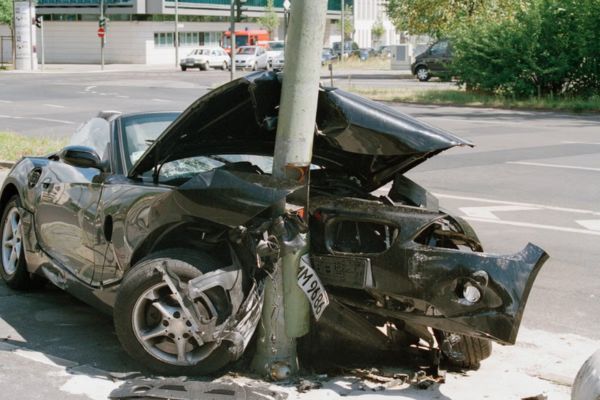
When your vehicle suffers major damage from an accident, severe weather, or mechanical failure, you’re faced with a decision that could cost you thousands. The insurance company rings, the tow truck driver’s handed you the damage estimate, and you’re staring at numbers that make your stomach turn. For many Australian motorists, the moment they realise their car’s been declared a write-off marks the beginning of an expensive nightmare—unless they know there’s a smarter alternative.
The traditional path seems straightforward: accept the insurance payout, repair the vehicle if it’s financially viable, or trade it in for whatever pittance the dealership offers. But here’s what most people don’t realise until it’s too late: keeping a damaged vehicle often triggers a cascade of hidden costs that dwarf the initial repair estimate. What starts as a $5,000 repair bill quickly balloons to $8,000 when the mechanic discovers additional frame damage. Then there’s the diminished resale value, the questionable structural integrity, and the lingering mechanical issues that surface months later.
That’s precisely why thousands of Australians are choosing to sell totaled car for cash instead of throwing good money after bad. This approach isn’t about giving up on your vehicle—it’s about making a financially intelligent decision that preserves your budget and eliminates the stress of managing a damaged asset. The market for damaged vehicles has evolved dramatically over the past decade, creating legitimate opportunities for vehicle owners to extract value from cars that insurance companies have written off or that face repair costs exceeding their market value.
Understanding What “Totaled” Actually Means
The term “totaled” carries different meanings depending on who you’re speaking with. Insurance companies use specific formulas to determine when a vehicle becomes a total loss, typically when repair costs exceed 60-75% of the car’s pre-accident value. However, this threshold varies between insurers and states, creating a grey area where your vehicle might be repairable but not economically sensible to fix.
In Australia, we use the term “statutory write-off” for vehicles that are so badly damaged they can never be re-registered, and “repairable write-off” for vehicles that could theoretically be repaired and returned to the road. The distinction matters enormously when you’re trying to understand your options.
What complicates matters further is that modern vehicles contain sophisticated technology that increases repair costs exponentially. A seemingly minor front-end collision might require replacing sensors, cameras, and computer modules that cost thousands of dollars—on top of the bodywork and mechanical repairs. A 2023 industry report revealed that the average cost to repair a vehicle involved in a moderate collision has increased by 37% over the past five years, primarily due to advanced driver assistance systems and complex electronics.
The Hidden Costs Nobody Warns You About
The sticker price on a repair estimate tells only part of the story. When you decide to repair a severely damaged vehicle, you’re signing up for expenses that extend far beyond the initial quote.
Diminished Value Claims
Even after professional repairs, your vehicle’s market value drops significantly. Insurance companies and savvy buyers check vehicle history reports, and any record of major damage reduces what someone will pay. Industry data shows that vehicles with accident history sell for 10-30% less than identical vehicles with clean records, depending on the severity of the damage. That’s money you’ll never recover.
Ongoing Mechanical Problems
Frame damage rarely reveals itself completely during the initial assessment. Months after repairs, you might notice unusual tyre wear, strange handling characteristics, or persistent alignment issues. These problems stem from structural damage that wasn’t fully corrected, leading to additional repair visits and mounting frustration.
Insurance Premium Increases
Your insurer doesn’t forget about that claim. Depending on the circumstances, your premiums could increase by 20-50% at renewal time, costing you hundreds or thousands of dollars annually for years to come.
Time and Convenience Costs
While your vehicle sits in the repair shop for weeks or months, you’re managing rental cars, juggling transportation logistics, and spending hours on phone calls with insurance adjusters and repair shops. These hidden costs add up quickly, though they’re harder to quantify than direct expenses.
Why the Cash-for-Cars Market Makes Sense
The vehicle recycling and salvage industry has matured into a sophisticated marketplace where damaged vehicles retain significant value. Understanding why companies pay cash for totaled vehicles reveals why this option often surpasses traditional alternatives.
Salvage buyers aren’t doing charity work—they’ve identified profitable ways to extract value from damaged vehicles. A car with a destroyed engine might have a perfect transmission, computer modules, interior components, and body panels worth thousands in the used parts market. Vehicles with body damage but functional drivetrains provide mechanical components for other repairs. Even vehicles damaged beyond any practical repair contain valuable metals, plastics, and materials that recyclers recover and sell.
This economic reality creates a win-win situation. Vehicle owners receive immediate cash without repair hassles, while buyers acquire inventory for their parts businesses or recycling operations. The transaction typically happens within days rather than the weeks or months required for traditional repairs and sales.
Learn more: https://melbournecash4carz.com.au/
How the Process Actually Works
Selling a damaged vehicle for cash follows a straightforward process that most people complete within 48-72 hours.
Getting Your Quote
You contact buyers specialising in damaged vehicles and provide basic information: make, model, year, current condition, and extent of damage. Many companies offer instant online quotes, though more accurate valuations come from photo submissions or in-person inspections. Don’t sugarcoat the damage—honest disclosure ensures you receive a realistic offer and avoid complications later.
Comparing Your Options
Smart sellers contact multiple buyers to compare offers. Prices can vary by hundreds or thousands of dollars depending on the buyer’s business model, current inventory needs, and assessment of your vehicle’s value. Some specialise in specific makes or types of damage, which affects their offers.
Completing the Sale
Once you accept an offer, the buyer typically handles towing arrangements at no cost to you. You’ll need to provide the vehicle title, registration documents, and valid identification. Many buyers can process payment immediately—either by bank transfer, bank cheque, or occasionally cash. The entire transaction often happens within 24 hours of accepting the offer.
Handling the Paperwork
After the sale, you’ll need to notify your state’s transport authority that you’ve sold the vehicle. This protects you from liability for parking fines, toll charges, or other issues that might arise if the buyer doesn’t immediately transfer registration. Keep copies of all sales documentation for your records.
Situations Where This Strategy Shines
Certain scenarios make selling your damaged vehicle particularly advantageous compared to alternatives.
When Repair Costs Exceed Half the Vehicle’s Value
If you’re facing a $6,000 repair bill on a vehicle worth $10,000, the mathematics don’t support repairs. Even if insurance covers part of the cost, you’re investing heavily in a depreciated asset with diminished resale value. Selling immediately preserves more of your financial resources for a reliable replacement vehicle.
Older Vehicles with High Mileage
A 12-year-old sedan with 200,000 kilometres that suffers major damage rarely justifies expensive repairs. The remaining lifespan doesn’t warrant the investment, even if the vehicle held sentimental value. Selling for cash provides funds toward a more reliable vehicle without throwing money at a depreciating asset.
Multiple System Failures
When damage affects the engine, transmission, and body simultaneously, repair costs multiply. Rather than facing $15,000 in repairs on a vehicle worth $12,000, selling for cash cuts your losses and provides immediate liquidity.
When You Need Quick Resolution
If you’re relocating, facing financial pressure, or simply want to move on without the stress of managing repairs, selling damaged vehicles provides closure. You’re not waiting months for insurance negotiations, repair scheduling, and quality inspections.
Common Mistakes That Cost Sellers Money
Even in straightforward transactions, vehicle owners make errors that reduce their returns.
Accepting the First Offer
The initial quote you receive rarely represents the best available price. Buyers expect negotiation, and competing offers give you leverage. Spending a few hours gathering quotes from multiple buyers often yields hundreds of dollars in additional value.
Neglecting Valuable Personal Property
Before the tow truck arrives, thoroughly search your vehicle for personal items, aftermarket accessories you can remove, and valuable components. That expensive GPS unit, custom wheels, or high-end stereo system has value you can recover separately. Sellers often discover missing items too late, after the vehicle’s already been processed.
Misrepresenting Vehicle Condition
Dishonesty backfires spectacularly in these transactions. Buyers inspect vehicles upon arrival, and significant discrepancies between your description and actual condition often result in reduced payment or cancelled deals. Worse, some buyers might refuse to return the vehicle, leaving you in a difficult negotiating position.
Ignoring Legitimate Buyers
Stick with established companies that have verifiable business registrations, customer reviews, and professional operations. Private buyers occasionally offer strong prices, but they also present risks of fraud, bounced cheques, or disputed transactions. The small premium rarely justifies the additional risk.
Making the Decision: Repair vs. Sell
How do you determine whether your situation calls for repairs or selling? Consider these factors systematically.
Create a comprehensive cost analysis that includes repair estimates, diminished value calculations, increased insurance premiums, and opportunity costs. Compare this total against quotes you’ve received for selling the vehicle as-is, plus the cost of purchasing a comparable replacement.
Factor in your vehicle’s age, mileage, and condition before the damage occurred. A three-year-old vehicle with 40,000 kilometres and a clean service history might justify repairs if damage is relatively minor. A ten-year-old vehicle with questionable maintenance records rarely warrants major investment.
Consider your immediate needs and financial situation. If repair costs strain your budget and deplete your emergency fund, selling provides financial breathing room and eliminates ongoing concerns about the vehicle’s reliability.
What Buyers Actually Pay For
Understanding how salvage buyers value damaged vehicles helps set realistic expectations for offers you’ll receive.
Salvageable Parts and Components
Modern vehicles contain hundreds of components with resale value in the used parts market. Engines, transmissions, computer modules, doors, bonnets, boots, seats, and countless other parts find eager buyers when removed from damaged vehicles. A destroyed front end doesn’t diminish the value of rear suspension components, interior trim, or electrical systems.
Scrap Metal Value
Even vehicles damaged beyond any practical repair contain significant quantities of steel, aluminium, copper, and other valuable metals. Recyclers pay for the weight and type of materials they can recover. Metal prices fluctuate with commodity markets, which occasionally affects offers for heavily damaged vehicles.
Vehicle-Specific Factors
Popular makes and models command higher prices because parts have stronger demand. A damaged Toyota Hilux generates more interest than a damaged luxury European sedan, despite the European vehicle’s higher original price, because Hilux parts sell quickly and reliably. Age, mileage, and overall condition before damage also affect value calculations.
Environmental and Practical Benefits
Beyond financial considerations, selling damaged vehicles for cash delivers environmental and social benefits worth acknowledging.
Vehicle recycling represents one of the most successful environmental initiatives globally. Approximately 95% of a vehicle’s materials can be recycled or reused, reducing demand for raw materials and minimising landfill waste. Steel recycled from vehicles requires significantly less energy to process than producing new steel from iron ore.
When you sell a damaged vehicle to a legitimate buyer, you’re participating in a circular economy where materials flow back into productive use rather than creating waste. Parts removed from your vehicle extend the service life of other vehicles, reducing the environmental impact of manufacturing new components.
Looking Forward: Your Next Steps
If you’ve decided that selling your damaged vehicle makes sense, take these actions to maximise your outcome.
Document your vehicle thoroughly with clear photographs showing all damage from multiple angles. Include photos of the interior, engine bay, and any documentation you have about the vehicle’s history and maintenance. This preparation speeds the quote process and often results in more accurate initial offers.
Research current market values for your vehicle in good condition using online valuation tools. Understanding what your vehicle would sell for without damage provides context for evaluating cash offers. Expect offers ranging from 20-50% of clean retail value, depending on damage severity and vehicle characteristics.
Contact at least three different buyers to compare offers and terms. Ask about towing arrangements, payment methods, timeline for pickup, and any fees or deductions. Get everything in writing before agreeing to the sale.
Prepare your paperwork in advance, including the vehicle title, registration documents, service records, and identification. Having these ready accelerates the transaction once you accept an offer.
The Bottom Line
Dealing with a totaled or severely damaged vehicle ranks among the more stressful experiences of vehicle ownership. The bills pile up, insurance negotiations drag on, and you’re left managing a depreciating asset that demands constant attention and investment.
For many Australian motorists, selling damaged vehicles for cash represents the most practical solution to this challenge. You’re eliminating repair costs that often exceed initial estimates, avoiding the diminished value that follows major repairs, and freeing yourself from ongoing concerns about structural integrity and reliability.
The decision isn’t always straightforward—sometimes repairs make sense, particularly for newer vehicles with minor damage. But when you’re facing substantial repair bills on an older vehicle, or when damage affects multiple systems simultaneously, selling for cash often delivers better financial outcomes and peace of mind.
Take time to gather information, compare your options, and make a decision based on solid analysis rather than emotion or pressure. Your vehicle might be damaged, but your financial future doesn’t have to be.