
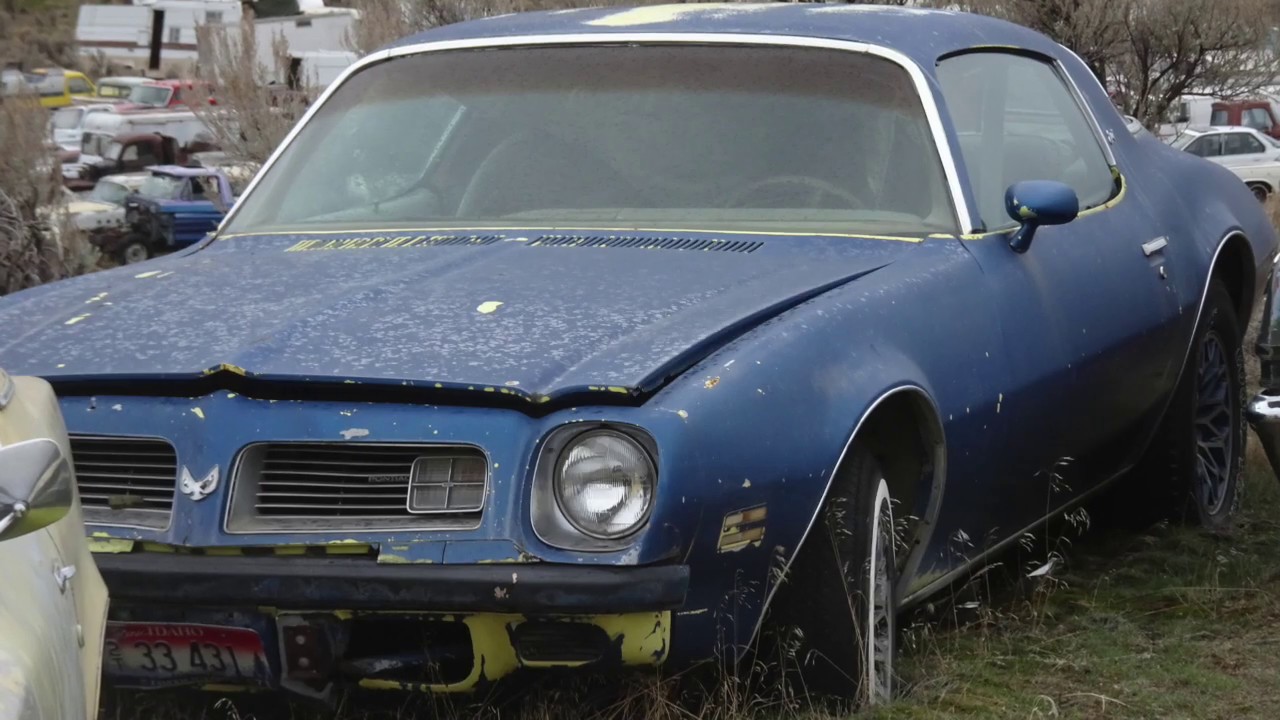
When a car reaches the end of its usable life, many owners wonder what happens next. A salvage yard is often the final stop. This process is not random or careless. It follows clear steps that focus on safety, material recovery, and environmental control. Understanding what happens after a car enters a salvage yard helps vehicle owners make informed decisions and clears up common misunderstandings.
This guide explains each stage of the salvage yard process in plain language, from arrival to final material handling.
Why Cars Are Sent to Salvage Yards
Cars arrive at salvage yards for many reasons. Some have engine failure, gearbox damage, or accident damage. Others fail inspections or remain unused for long periods. Repair costs often exceed the worth of the vehicle. When this happens, keeping the car parked causes space, safety, and environmental issues.
Salvage yards exist to handle these vehicles in a controlled way. They prevent waste from spreading into the environment and allow usable parts and metals to return to circulation.
Arrival and Initial Inspection
Vehicle Check on Entry
Once a car reaches the salvage yard, staff record details such as make, model, year, and visible condition. Identification numbers help confirm ownership and track the vehicle through the process. This step also ensures compliance with transport and disposal laws.
Safety Assessment
Before any work begins, the vehicle undergoes a safety check. Staff look for fuel leaks, battery condition, and unstable parts. This protects workers and prevents spills.
Draining of Fluids
Why Fluid Removal Matters
Every car contains fluids that can harm soil and water. These include engine oil, coolant, brake fluid, transmission fluid, and fuel. Salvage yards remove these fluids early to prevent leakage.
Controlled Storage
Fluids are drained using sealed equipment and stored in approved containers. Many fluids are sent for treatment or reuse in industrial settings. This step reduces environmental risk and follows waste regulations.
Battery and Hazard Removal
Battery Handling
Car batteries contain acid and heavy metals. Salvage yards remove batteries and store them separately. These batteries are sent to recycling facilities where materials such as lead and plastic are reused.
Airbags and Electronics
Airbags and electronic units are removed or neutralised. Airbags contain explosive charges that must be handled with care. Proper handling prevents injury and ensures safe dismantling.
Parts Recovery and Sorting
Identifying Reusable Components
Many vehicles still hold working parts. Engines, alternators, starters, mirrors, doors, and suspension parts are inspected. Parts that meet condition standards are cleaned, labelled, and stored.
Why Parts Recovery Exists
Reusing parts reduces demand for new manufacturing. This lowers raw material extraction and energy use. It also supports vehicle maintenance for older models still on the road.
Body and Frame Processing
Removal of Panels
Panels such as doors, bonnets, and guards are removed. Aluminium and steel parts are separated. This sorting helps recycling plants process metals more effectively.
Frame Handling
Once parts are removed, the remaining frame enters the metal recovery stage. Frames are crushed or cut to prepare for transport to metal processors.
Metal Recycling Stage
Separation of Materials
Vehicles contain several metals, including steel, aluminium, and copper. Salvage yards separate these materials before sending them to recycling plants.
Why Metal Recycling Matters
Recycling metals uses less energy than producing new metal from raw ore. It reduces mining impact and limits landfill waste. A single car can supply hundreds of kilograms of reusable metal.
Treatment of Remaining Materials
Plastics and Rubber
Seats, dashboards, hoses, and trims contain plastics and rubber. These materials are sorted and sent to facilities that handle automotive waste.
Glass Processing
Windscreens and windows are removed and crushed safely. Automotive glass follows a different recycling process due to lamination layers.
Environmental Controls in Salvage Yards
Ground Protection
Licensed salvage yards use sealed surfaces and drainage systems. These controls prevent fluids from entering soil and waterways.
Waste Tracking
All materials leaving the yard are recorded. This ensures accountability and compliance with environmental standards.
Legal and Regulatory Oversight
Salvage yards operate under state and local regulations. These rules cover waste handling, worker safety, and environmental care. Regular inspections ensure standards are met.
This oversight protects communities and ensures that vehicle disposal does not create hidden risks.
What Owners Gain from Proper Salvage Processing
Sending a car to a salvage yard resolves several issues at once. It removes unused vehicles from property, prevents environmental damage, and ensures legal responsibility ends correctly. It also supports material reuse and waste reduction.
When Owners Decide to Remove an Unwanted Car
Many owners reach a point where keeping a vehicle no longer makes sense. Long-term storage leads to corrosion, fluid leaks, and safety concerns. At this stage, removal becomes the logical step.
For people dealing with unused vehicles, services offering Cash for cars Brisbane region help connect vehicle removal with proper salvage handling. Providers such as arrange removal so vehicles enter licensed yards where fluids, parts, and metals are managed correctly. This approach helps property owners clear space while supporting responsible vehicle processing.
Final Stage of the Salvage Journey
After dismantling and material separation, nothing useful remains in the vehicle. Metals return to manufacturing supply chains. Fluids are treated. Waste is controlled. The car no longer poses risk to land, people, or surroundings.
Final Thoughts
A salvage yard is not a dumping ground. It is a controlled system that handles vehicles with care, safety, and regulation. From fluid removal to metal recycling, each step plays a role in reducing waste and protecting the environment. Understanding what happens to a car after it enters a salvage yard helps owners make decisions that support safety, responsibility, and long-term land care.