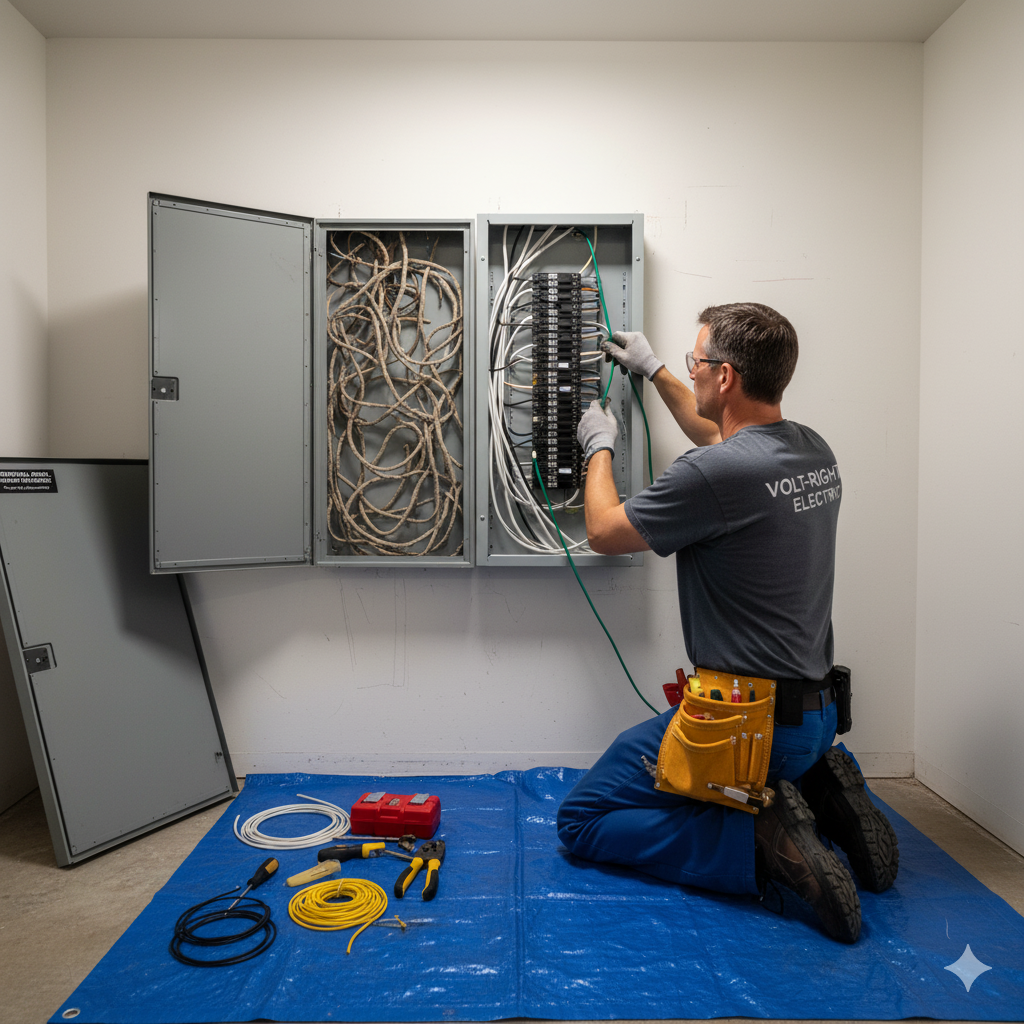

Across the globe, every design location, as well as any location used for construction, experiences the damaging effects of the elements upon its surface. Dust particles and/or liquid spills are two of the more prominent hazards that our flooring spends most of its time being exposed to, leading to floor failure and a high degree of cleaning. Floor Protection Sheets have been explicitly developed to protect against dust and common water-based spills and to act as an effective means of creating an impenetrable barrier between flooring and elements present within the environment.
The Impact of Floor Protection Products
To appreciate the benefits that floor protection sheets provide for your floors is essential to understanding the various environmental elements.
- Dust and Debris Are an Abrasive Threat to Floors: To understand the value of professional floor protection sheets, you must first understand the things they have been designed to protect against. Dust creates fine scratches in the finish of your wood floors, which makes your finish look dull over time. In addition to fine scratches, many other types of dust can permanently damage your wood floor if not properly protected.
- The Dangers of Liquid Spills: Liquid spills can be potentially dangerous immediately. Water can warp hardwood floors and laminate flooring, stain natural stone surfaces, and even make its way into subfloors. Meanwhile, oils and other chemicals that may meet your flooring will deteriorate finishes, discolor surfaces, and leave stains on floors permanently. Even if you are careful about cleaning up spills right away, any accidents that happen after delay will cause damage.
- Damage from Scratching and/or Scratches: A variety of threats exist to your floors aside from lots of dirt and spills. It is vital that a proper protective covering has been placed on floors so that they are sufficiently protected from all these threats.
The Components of a High-Quality Floor Protector
There are many different types of Floor Protection available today, but they all have one thing in common. They provide some level of protection against damage to your home or business from the elements. The protection and durability of these products vary widely; however, they all have their pros and cons.
Construction and Materiality
- Composite Reinforced Polyethylene: The basic construction method for reinforcing polyethylene for heavy-duty use is by placing multiple layers of polyethylene on top of each other. The outer layer often consists of a cross-laminated film that adds characteristics of tear resistance. While the second layer is made up of either a woven fabric or a mesh scrim with excellent tensile strength. Additionally, the third layer is designed to be non-slip and non-adhesive; this helps to keep the sheet in place and keeps any residue from transferring to the floor.
- Surface Texture: Many sheets provide a raised dimple/diamond pattern that creates a large area of air underneath the sheet.
- Additional Specialty Additives: For some uses, sheets may be made with extra additives to meet the needs of those uses. Examples of such additives include, but are not limited to, UV blockers, anti-static agents, and flame retardants.
Key Performance Characteristics
The following are some of the main characteristics you should look for in a high-quality flooring sheet or carpet protector:
- Puncture and tear resistance: Flooring sheets and carpet protectors are available in a variety of thicknesses ranging from 3 to 6 mil. A higher thickness means better puncture and tear resistance and therefore greater durability. Heavy-duty flooring sheets and carpet protectors can support the weight of ladders, large appliances, and rolling tool carts.
- Impermeability: A full piece of excellent waterproof flooring as well as carpet cover to completely keep water out. Sheets that provide complete waterproofing prevent any moisture from entering onto the subfloor of a building. Read This
- Sealed edges: Some high-quality floor sheeting have a tape flap or made from material that is used with painter’s tape. This makes it possible to anchor the edges and make seams that are solid without using tape. This prevents the risks of damaging the flooring below.
Floor protection sheets are a small initial expense that protects against significant financial loss and inconvenience. Floor protection sheeting is one of the most useful and affordable tools in building upkeep and project management.