
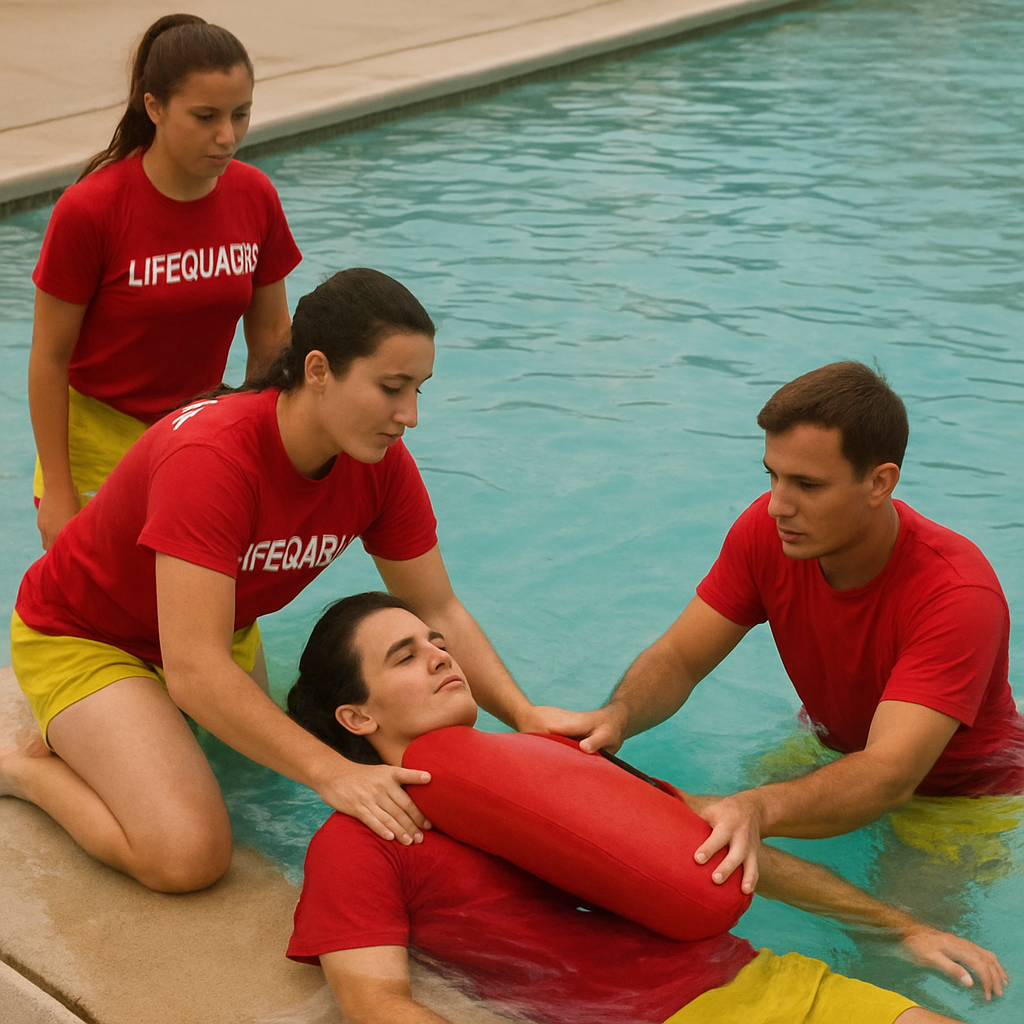
A lifeguard class is a professional training program that prepares you to prevent drowning, respond to aquatic emergencies, and provide lifesaving care such as CPR, AED use, and first aid. Whether you want to work at a pool, beach, waterpark, lake, or camp, a lifeguard class is typically the first step toward becoming certified and job-ready.
Most lifeguard classes combine classroom learning with hands-on water practice. You’ll learn how to supervise swimmers effectively, recognize signs of distress early, perform rescues safely, and respond confidently under pressure. Lifeguarding requires more than strong swimming—it requires responsibility, focus, teamwork, and the ability to follow proven safety protocols when seconds matter.
This guide explains everything you need to know about a lifeguard class, including prerequisites, training structure, exams, preparation tips, and what happens after you earn certification.
Summary: Lifeguard Class at a Glance
A lifeguard class blends classroom instruction with in-water skill training to prepare you for real emergencies. You’ll learn scanning and supervision, drowning recognition, water rescue techniques, spinal injury management, CPR/AED, first aid, and emergency action plans. Most classes start with a swim pre-test and end with written and practical assessments. Completing a recognized lifeguard class earns you certification—usually valid for two years—and equips you with the confidence and skills needed to protect lives in aquatic environments.
What Is a Lifeguard Class?
A lifeguard class is a structured training and certification program designed to teach prevention, rescue skills, and emergency medical care. It trains you to supervise aquatic facilities and respond quickly when an incident happens.
A lifeguard class prepares you to:
-
Prevent accidents through active surveillance and scanning
-
Recognize drowning signs and risky behaviors early
-
Perform rescues for active and passive drowning victims
-
Provide CPR and use an AED correctly
-
Give first aid for injuries and medical emergencies
-
Coordinate with a team using emergency action plans (EAPs)
Who Should Take a Lifeguard Class?
Lifeguard classes are ideal for individuals who want an active job, enjoy responsibility, and feel confident in the water. Lifeguarding is often a great first job, but it’s also useful for aquatic staff and people interested in public safety careers.
A lifeguard class is a good fit for:
-
Teens and adults seeking lifeguard employment
-
Swim instructors and coaches
-
Camp counselors and recreation staff
-
Individuals interested in safety and emergency response careers
-
People who enjoy teamwork, leadership, and discipline
Lifeguard training builds confidence and teaches life-saving skills that are valuable beyond the job.
Lifeguard Class Requirements and Eligibility
Before enrolling, most lifeguard classes require you to meet eligibility standards. These prerequisites ensure participants can safely complete rescues and physical training tasks.
Common Lifeguard Class Requirements
Most providers require:
-
Minimum age: Usually 15 years old (varies by provider)
-
Strong swimming ability
-
Passing a pre-course swim test
-
Physical readiness for endurance and rescue drills
-
Full attendance at all class sessions
Typical Pre-Course Swim Test
You may be required to:
-
Swim 300 yards/meters continuously
-
Tread water for 2 minutes
-
Retrieve a 10 lb brick/object from deep water
These tests confirm you can handle the demands of real rescue situations.
What You Learn in a Lifeguard Class
A lifeguard class teaches prevention, rescue, and medical response skills. You’ll practice realistic scenarios to build speed, confidence, and correct technique.
Core Skills Covered
Most lifeguard classes include:
-
Active and passive victim rescues
-
Water entries and safe approaches
-
Victim support and carries
-
Safe victim removals and extraction methods
-
Spinal injury response and backboarding
-
CPR for adults, children, and infants
-
AED operation and safety procedures
-
First aid: bleeding, burns, fractures, shock, and heat illness
-
Emergency action plans (EAPs) and teamwork drills
-
Scanning, surveillance, and rule enforcement
Training emphasizes repetition so your response becomes automatic in emergencies.
What to Expect During Lifeguard Class Sessions
Lifeguard classes are practical and performance-based. Expect both classroom learning and hands-on water drills that simulate real emergencies.
Typical Lifeguard Class Format
Most courses include:
-
Classroom sessions: safety standards, facility rules, emergency procedures
-
Water practice: rescues, victim support, removals, endurance drills
-
Scenario training: realistic emergencies with team response
-
Written exam: tests your knowledge of lifeguarding protocols
-
Final skills assessment: evaluates rescues + CPR/AED + first aid skills
The goal is to prepare you for real-life pressure, not ideal conditions.
Written Exams and Skills Tests: How to Pass
To earn certification, most lifeguard classes require passing both knowledge and practical evaluations.
How to Pass the Written Exam
✅ Best tips:
-
Study your class manual and notes
-
Focus on scanning, prevention, and emergency action plans
-
Review CPR/AED and first aid response steps
-
Practice scenario questions if available
How to Pass Practical Skills Assessments
✅ Best tips:
-
Practice rescues repeatedly with correct technique
-
Stay calm during scenario drills
-
Communicate clearly during teamwork rescues
-
Follow steps in order (don’t skip safety checks)
-
Apply instructor feedback immediately
Skills evaluations test readiness, accuracy, and safety—not just speed.
CPR, AED, and First Aid Training in a Lifeguard Class
Lifeguards often respond to more than drowning incidents. Lifeguard classes prepare you to handle serious medical emergencies and injuries.
Medical Topics Covered
-
CPR compressions and rescue breathing
-
AED setup and safe operation
-
Choking response procedures
-
Bleeding control and wound care
-
Burns, fractures, and sprains
-
Shock recognition and stabilization
-
Heat illness and dehydration management
These skills help you provide immediate care until EMS arrives.
How Long Does a Lifeguard Class Take?
Most lifeguard classes take 20–30+ hours, depending on provider and training format.
Course length may vary by:
-
Pool vs open-water training
-
Weekend vs weekday schedules
-
Blended learning (online theory + in-person skills)
-
Provider-specific requirements
Some classes can be completed in one week, while others run over several weekends.
Lifeguard Class Cost
Lifeguard class fees vary by provider, location, and facility type.
Typical Cost Range
Most classes range from:
-
$150 to $350
Cost often includes:
-
Instruction and training materials
-
CPR/AED and first aid certification
-
Facility use and rescue equipment
-
Certification processing fees
Some employers reimburse certification costs after hiring, so ask before paying.
What Happens After You Finish a Lifeguard Class?
Once you pass the class, you earn a lifeguard certification—usually valid for two years. To remain eligible for work, you must renew through recertification before expiration.
Staying Ready After Certification
-
Attend regular in-service trainings
-
Practice rescues and CPR drills monthly
-
Maintain swim endurance and physical fitness
-
Refresh first aid knowledge regularly
-
Review emergency action plans often
Consistent practice keeps you confident and effective.
Frequently Asked Questions About Lifeguard Classes
Can I take a lifeguard class online?
Some providers offer online theory modules, but all rescue and CPR skills must be tested in person.
Is a lifeguard class hard?
It can be challenging if you’re not used to endurance swimming. With preparation and full participation, most students succeed.
What if I fail the swim test?
Many providers allow retesting. Practice endurance swimming and treading water and try again.
How long is certification valid?
Most lifeguard certifications last two years, after which recertification is required.
Conclusion: A Class Builds Skills That Save Lives
A lifeguard class prepares you to prevent drowning, perform rescues, and deliver lifesaving medical care. It is a serious responsibility, but it also builds confidence, leadership, and emergency readiness. If you’re committed to learning and practicing consistently, lifeguard training can become one of the most valuable certifications you ever earn.
Author Bio
Benjamin Owen Leo is a water safety writer and lifeguard training content specialist focused on professional lifeguard education and drowning prevention. He creates people-first training guides on lifeguard certification, CPR/AED readiness, rescue skills, first aid protocols, and aquatic safety standards. His goal is to help lifeguards and aquatic facilities strengthen safety through clear, accurate, and practical instruction.
Must Visit: The Breezly