

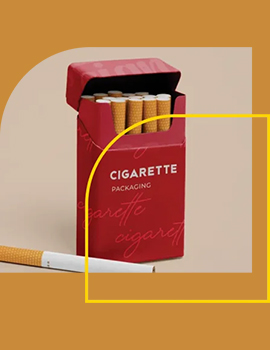
Cigarette packaging is one of the most regulated and carefully designed forms of product packaging in the consumer goods industry. While it may appear simple on the surface, a cigarette box serves multiple purposes beyond holding tobacco products. From protection and branding to compliance with strict legal requirements, these boxes play a complex and significant role in how tobacco products are presented and distributed.
The Primary Function of Cigarette Packaging
At its most basic level, a cigarette box is designed to protect the product inside. Cigarettes are sensitive to moisture, air exposure, and physical damage. The packaging helps preserve freshness, maintain shape, and prevent breakage during handling and transport.
Most cigarette boxes are made from paperboard with an inner foil or liner that acts as a barrier against humidity and odor loss. This layered construction ensures that the product remains usable over time, even when stored or transported across varying climates.
Standard Structures and Box Styles
Cigarette packaging typically follows standardized formats to ensure consistency and efficiency in manufacturing and distribution. The most common styles include:
-
Flip-top boxes, which feature a hinged lid and are widely used due to their convenience
-
Slide or drawer-style packs, often associated with premium or limited-edition products
-
Soft packs, which use flexible paper wrapping instead of rigid board
Each structure balances portability, durability, and user convenience while adhering to industry norms.
Branding and Visual Communication
Historically, cigarette boxes have been powerful branding tools. Colors, typography, logos, and finishes were used to communicate brand identity, quality, and positioning. Even subtle design choices—such as matte versus gloss finishes—played a role in shaping consumer perception.
However, in many regions, branding elements are now heavily restricted. Plain packaging laws limit or eliminate the use of logos and distinctive colors, requiring standardized designs to reduce brand influence. Despite these limitations, packaging still functions as a communication medium through mandated text, symbols, and layout.
Health Warnings and Legal Compliance
One of the most defining aspects of cigarette packaging today is regulatory compliance. Governments worldwide require prominent health warnings, graphic images, and standardized information panels on cigarette boxes. These warnings are designed to inform consumers about health risks and discourage tobacco use.
Compliance requirements may include:
-
Minimum font sizes for warnings
-
Placement of warning images and text
-
Restrictions on colors and finishes
-
Disclosure of ingredients or emissions
Packaging that does not meet these standards cannot legally be sold, making regulatory accuracy a critical part of the design and production process.
Material Considerations and Sustainability
As sustainability becomes a global concern, cigarette packaging has also come under scrutiny. Manufacturers and regulators alike are exploring ways to reduce environmental impact by minimizing material use, improving recyclability, and reducing excess packaging components.
Paperboard is generally recyclable, but inner foils, inks, and coatings can complicate disposal. Efforts to streamline materials while maintaining product protection continue to shape packaging development in this sector.
The Role of Packaging in Distribution and Storage
Beyond consumer-facing functions, cigarette boxes are designed to fit seamlessly into cartons, cases, and retail displays. Standardized dimensions allow for efficient stacking, transport, and shelf placement. This logistical efficiency is critical in large-scale distribution environments where consistency reduces handling errors and costs.
Final Thoughts
Cigarette boxes are far more than simple containers. They represent a careful balance between product protection, regulatory compliance, logistical efficiency, and controlled visual communication. While design freedom has narrowed due to public health regulations, Custom Designed Boxes remains a central element in how tobacco products are manufactured, distributed, and managed.