Varicocele is a condition characterized by the enlargement of veins within the scrotum, similar to varicose veins in the legs. This condition is relatively common, affecting up to 15% of adult men, and can lead to discomfort, pain, and, in some cases, male infertility. Although not every varicocele requires treatment, when symptoms are severe or fertility is impacted, medical intervention becomes necessary.
Traditionally, varicocele treatment involved open surgery, which required incisions, longer recovery times, and carried certain risks. However, modern medicine has introduced varicocele embolisation, a minimally invasive procedure that effectively treats this condition with less discomfort and quicker recovery.
What is Varicocele Embolisation?
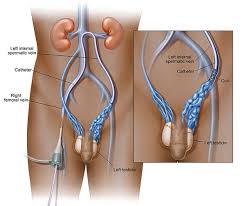
Varicocele embolisation is an interventional radiology procedure designed to block abnormal veins responsible for varicocele. By preventing blood from pooling in the affected veins, it alleviates pain, reduces swelling, and can improve sperm quality in men facing fertility issues.
The procedure involves inserting a catheter through a small vein, usually in the groin or neck, and guiding it to the affected veins using imaging technology. Once in place, coils or a sclerosing agent are used to block the veins. This redirection of blood flow allows healthy veins to carry blood normally, relieving symptoms.
Key Advantages of Varicocele Embolisation
-
Minimally Invasive: Unlike traditional surgery, there are no large incisions, leading to less scarring and faster recovery.
-
Quick Procedure: Typically performed under local anesthesia, the procedure takes about 30–60 minutes.
-
Short Recovery Time: Most patients can resume normal activities within 24–48 hours.
-
Effective Symptom Relief: Pain, swelling, and fertility issues often improve significantly.
-
Low Complication Risk: The procedure is considered safe, with minimal risk of infection or vein damage.
Indications for Varicocele Embolisation
Not all men with varicocele require embolisation. Doctors usually recommend the procedure when:
-
Persistent pain or discomfort in the scrotum
-
Swelling or noticeable enlarged veins
-
Infertility or abnormal sperm parameters
-
Testicular atrophy (shrinkage)
A thorough evaluation, including a physical examination and scrotal ultrasound, helps determine whether varicocele embolisation is the most suitable treatment.
Step-by-Step Procedure
Understanding the process can help alleviate anxiety for patients considering treatment:
-
Preparation: Patients are advised to fast for a few hours prior. A mild sedative may be administered.
-
Local Anesthesia: The area around the access vein is numbed to ensure comfort.
-
Catheter Insertion: A thin catheter is inserted into a vein in the groin or neck.
-
Guided Imaging: Using fluoroscopy, the catheter is guided to the varicocele veins.
-
Embolisation: Coils or a sclerosing agent are used to block the problematic veins.
-
Completion: The catheter is removed, and a small bandage is applied.
The procedure is generally painless, with only mild discomfort during catheter insertion. Patients are observed for a short period before being discharged the same day.
Recovery and Aftercare
Post-procedure care is simple due to the minimally invasive nature of varicocele embolisation:
-
Rest: Light activity can resume almost immediately; strenuous exercise should be avoided for 1–2 weeks.
-
Pain Management: Mild pain or bruising can be managed with over-the-counter painkillers.
-
Follow-up: A follow-up ultrasound may be scheduled to ensure the treated veins are closed and the blood flow is normal.
Most patients report significant relief from pain and swelling within days, while improvements in fertility may take a few months to manifest.
Risks and Complications
Like any medical procedure, varicocele embolisation carries minimal risks, which include:
-
Minor bruising or discomfort at the insertion site
-
Rare vein injury or migration of coils
-
Very low risk of infection
Compared to open surgery, the risks are considerably lower, making embolisation a safer alternative for many patients.
Varicocele Embolisation vs Traditional Surgery
| Aspect | Varicocele Embolisation | Open Surgery (Varicocelectomy) |
|---|---|---|
| Invasiveness | Minimally invasive, no large incisions | Surgical incisions required |
| Anesthesia | Local anesthesia | General anesthesia |
| Recovery Time | 24–48 hours | 1–2 weeks |
| Pain & Discomfort | Minimal | Moderate |
| Effectiveness | High | High |
| Complication Rate | Low | Slightly higher |
Patients who prefer a fast, safe, and less invasive solution often choose varicocele embolisation over traditional surgery.
Who Should Consider This Procedure?
Men experiencing symptoms such as scrotal pain, swelling, or fertility problems due to varicocele may benefit from embolisation. Fertility specialists often recommend it for men with abnormal semen analysis, as studies show improvement in sperm quality after the procedure.
Additionally, men looking to avoid surgery, reduce recovery time, or minimize risks often find this approach appealing. Consultation with an interventional radiologist or urologist helps determine suitability.
Long-Term Benefits
The advantages of varicocele embolisation extend beyond immediate symptom relief:
-
Improved Fertility: Many studies indicate improved sperm count, motility, and morphology post-procedure.
-
Reduced Pain: Chronic scrotal pain is often significantly relieved.
-
Minimal Recurrence: Embolisation has a low recurrence rate compared to traditional surgical methods.
-
Quick Return to Normal Life: Patients can resume work and daily activities almost immediately.
Choosing the Right Clinic
Selecting an experienced clinic is crucial for successful treatment. Look for:
-
Board-certified interventional radiologists
-
Advanced imaging facilities
-
Comprehensive patient care and follow-up
-
Positive patient testimonials
For those seeking a trusted solution, clinics like varicocele embolisation centers provide expert guidance and state-of-the-art care for this condition.
Conclusion
Varicocele embolisation is a revolutionary, minimally invasive solution for men struggling with varicocele-related discomfort or fertility issues. Offering a safe, quick, and effective alternative to traditional surgery, this procedure ensures minimal downtime and long-lasting results. By choosing the right clinic and following proper aftercare, patients can experience significant relief and improve their overall quality of life.
For those seeking expert care and a reliable treatment pathway, exploring varicocele embolisation is a promising step toward health and well-being.
Frequently Asked Questions
Q1: Is varicocele embolisation painful?
A: The procedure is minimally invasive, and most patients experience only mild discomfort during catheter insertion.
Q2: How long does it take to recover?
A: Most patients can resume normal activities within 24–48 hours. Strenuous activity should be avoided for 1–2 weeks.
Q3: Can it improve fertility?
A: Yes. Many men experience improved sperm quality after embolisation, especially if varicocele was impacting fertility.
Q4: Are there any long-term complications?
A: Complications are rare. Minor bruising or discomfort is most common, and serious issues are extremely uncommon.
Q5: Is it suitable for all men with varicocele?
A: Not necessarily. A thorough evaluation is necessary to determine whether embolisation is the best treatment.