
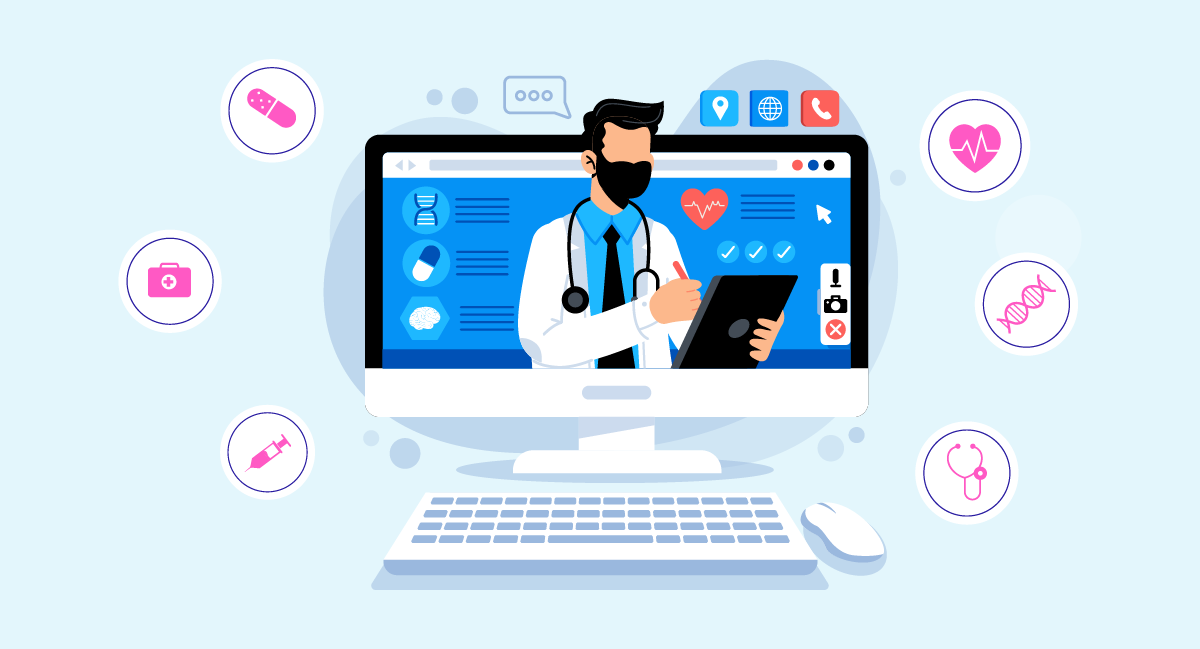
The healthcare industry is undergoing one of the most significant digital transformations in its history. From small private clinics to large multi-specialty hospitals, healthcare providers are increasingly relying on technology to improve efficiency, accuracy, and patient outcomes. At the center of this transformation lies Electronic Health Records (EHR). What was once considered an optional digital upgrade has now become a foundational requirement. In today’s fast-paced medical environment, modern healthcare simply cannot function effectively without EHR systems.
The Shift from Paper Records to Digital Healthcare
For decades, healthcare facilities relied on paper-based records to store patient information. While this system served its purpose in the past, it came with serious limitations lost files, illegible handwriting, delayed access to information, and increased administrative burden. As patient volumes grew and healthcare services became more complex, paper records proved inadequate.
EHR systems replaced fragmented documentation with centralized, digital patient records. These systems allow healthcare providers to store, retrieve, and update patient information in real time, ensuring that accurate data is always available when needed.
Improved Patient Care and Clinical Accuracy
One of the most critical benefits of EHR systems is their direct impact on patient care. With instant access to comprehensive patient histories including diagnoses, medications, lab reports, and allergies clinicians can make more informed decisions.
EHRs reduce medical errors by minimizing issues like duplicate tests, incorrect prescriptions, or overlooked allergies. Clinical decision support features, such as alerts and reminders, further enhance safety by guiding physicians toward evidence-based practices. As a result, patients receive faster, safer, and more personalized care.
Enhanced Workflow Efficiency for Healthcare Providers
Healthcare professionals often struggle with time constraints, administrative overload, and inefficient workflows. EHR systems address these challenges by automating routine tasks such as appointment scheduling, documentation, billing, and reporting.
Instead of spending hours on paperwork, doctors and nurses can focus more on patient interaction. Digital templates, voice dictation, and automated data entry significantly reduce documentation time, improving productivity across departments. This streamlined workflow is essential for healthcare facilities aiming to deliver high-quality care without burnout.
Better Data Management and Accessibility
Modern healthcare relies heavily on data-driven decision-making. EHR systems provide structured, organized, and easily searchable patient data, enabling better tracking of health trends and outcomes.
Authorized healthcare professionals can access patient records securely from multiple locations, which is especially important in emergencies or referrals. Whether a patient visits a specialist, diagnostic lab, or emergency department, their medical information can be shared seamlessly ensuring continuity of care.
Regulatory Compliance and Data Security
Healthcare organizations must comply with strict regulations related to patient privacy, data security, and record-keeping. EHR systems are designed to support compliance with healthcare standards by offering features like audit trails, access controls, and encrypted data storage.
These systems help reduce the risk of data breaches and unauthorized access while maintaining transparency and accountability. In an era where data security is a top concern, EHRs play a crucial role in protecting sensitive patient information.
Cost Savings and Operational Sustainability
While implementing an EHR system requires an initial investment, the long-term financial benefits are substantial. By reducing paper usage, minimizing duplicate tests, and improving billing accuracy, healthcare providers can significantly lower operational costs.
EHRs also support better revenue cycle management by ensuring accurate coding, faster claims processing, and fewer billing errors. Over time, these efficiencies contribute to financial sustainability and scalability for healthcare organizations.
Supporting Population Health and Preventive Care
EHR systems enable healthcare providers to analyze patient data at both individual and population levels. This capability is essential for identifying health trends, managing chronic diseases, and implementing preventive care programs.
By tracking outcomes and identifying at-risk populations, healthcare providers can proactively intervene, improving overall community health. This data-driven approach is becoming increasingly important as healthcare systems shift from reactive treatment to preventive care models.
The Role of EHRs in Integrated Healthcare Ecosystems
Modern healthcare is no longer isolated. It involves coordination between doctors, labs, pharmacies, insurance providers, and diagnostic centers. EHR systems act as the backbone of this integrated ecosystem by enabling seamless data exchange and collaboration.
Interoperability ensures that all stakeholders have access to accurate, up-to-date information, reducing delays and improving patient experiences. Without EHRs, achieving this level of coordination would be nearly impossible.
Conclusion: EHR Software as a Healthcare Necessity
As healthcare continues to evolve, the reliance on digital systems will only grow stronger. From improving patient safety and clinical accuracy to enhancing operational efficiency and regulatory compliance, EHRs have become indispensable to modern medical practice. Healthcare providers that fail to adopt digital record systems risk falling behind in quality, efficiency, and patient trust.
Platforms like Instacare.com.pk are helping healthcare organizations transition smoothly into the digital era by offering reliable, scalable solutions tailored to modern medical needs. In today’s data-driven healthcare environment, investing in the right EHR Software is no longer a luxury it is a necessity for sustainable, patient-centered care.